

 Articles
Carved into rose-colored cliffs more than 2,000 years ago, Petra is one of the world’s greatest archaeological treasures and a must-see on any trip to Jordan. Recognized as a UNESCO World Heritage Site and one of the New Seven Wonders of the World, Petra offers visitors an unforgettable journey through history, culture, and natural beauty. From the iconic Treasury to hidden tombs and rugged hiking trails, Petra is more than just a sightseeing stop — it’s an experience that stays with you forever. In this guide, we’ll cover Petra’s highlights, history, practical tips, and everything you need to plan your visit.
Too Lazy to Read? Press here to contact Arab Pioneers to Plan Your Petra Tour
A Brief History of Petra
- Built by the Nabataeans around the 4th century BC.
- Once a major hub for trade routes between Arabia, Egypt, and the Mediterranean.
- Rediscovered by the Western world in 1812 by Swiss explorer Johann Ludwig Burckhardt.
- Known as the “Lost City” and still home to secrets waiting to be uncovered.
Highlights of Petra
The Siq
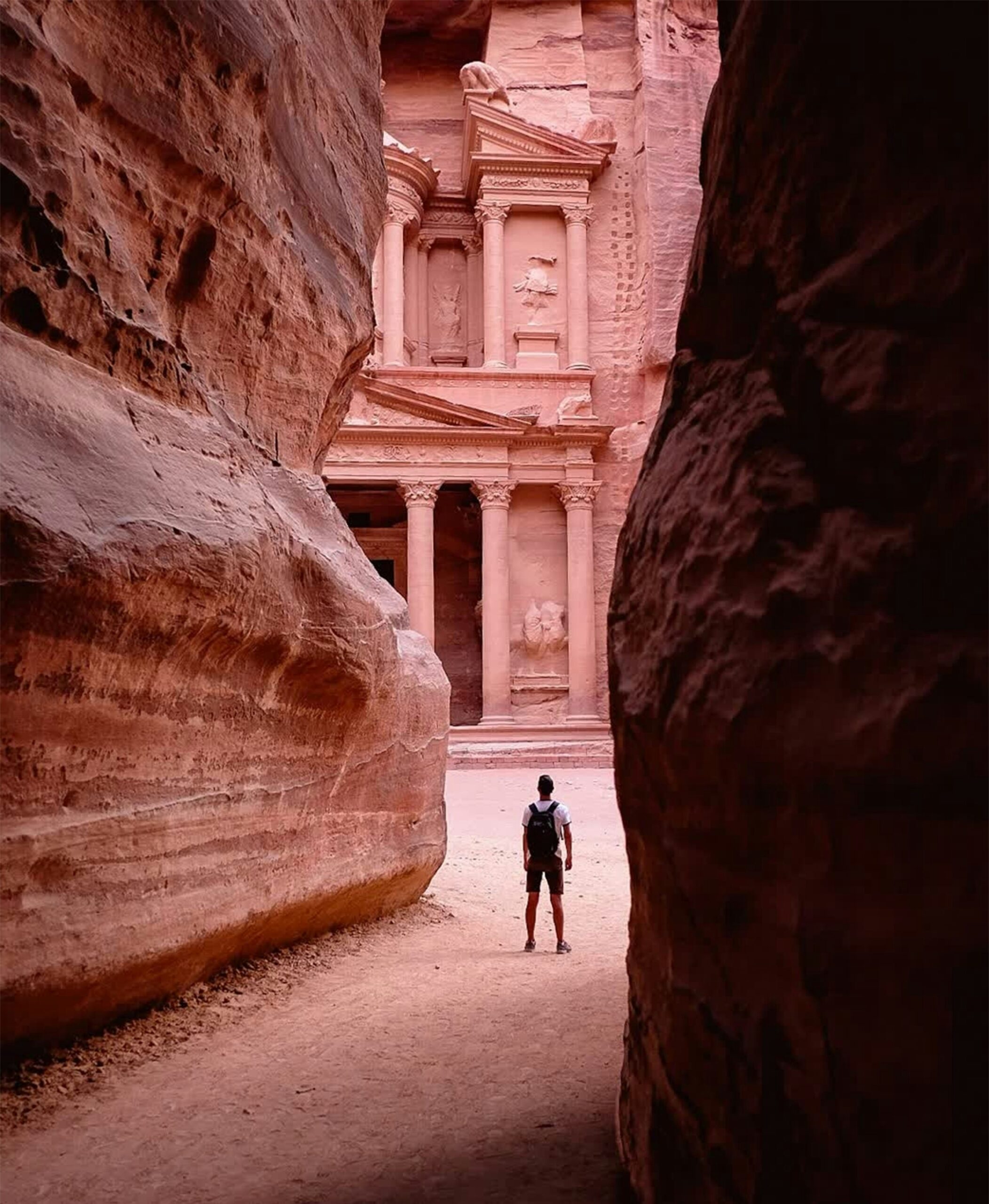
Here were you start exploring Petra through a dramatic, narrow gorge that serves as the main entrance to Petra. its like a secret path to the lost city. Walking through the Siq is a magical experience, with towering cliffs leading you to the first glimpse of the Treasury where the city once was full with life, stories and treasures.
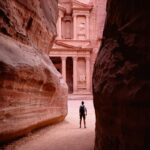
The Treasury (Al-Khazneh)
Petra’s most iconic monument, exquisitely carved into luminous pink sandstone. Once believed to be a royal tomb and later used as a treasury by local Bedouins — hence its name — it’s best admired early morning or late afternoon, when soft light makes the façade glow for stunning photos.
Pro tip: step back into the shade or use the Siq’s natural frame to balance exposure and capture richer color.
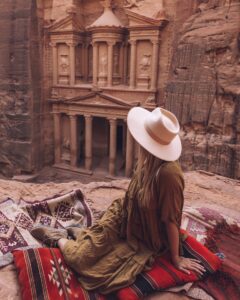
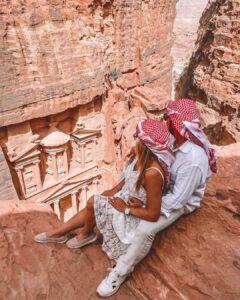
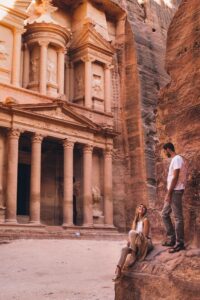
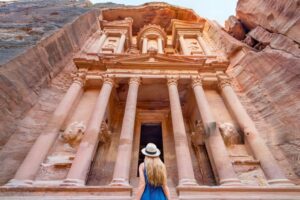
Most visitor thinks Petra Ends Here , But Petra has much more to offer including more than 600 stone facades and an intriguing list of clues about its past residents. once was a whole city Full of Life. Lets discover what Petra has more to offer .
The Monastery (Ad‑Deir)


Comments are closed